

The Need for Iron
Iron is key to the normal formation of red blood cells and hemoglobin, and to normal oxygen transport in the body. It also plays a central role in cognitive function, normal function of the immune system, normal energy-yielding metabolism, and other important body functions that can affect how you feel, including symptoms such as tiredness and fatigue.
While iron is naturally present in many foods, it may not be in sufficient quantities depending on your iron requirements. Iron supplements may offer a suitable solution for those who struggle to meet their iron requirements through diet alone.
The Benefits of Iron
Iron is one of those essential nutrients that your body needs. When your iron levels are balanced, your body will thank you, but when they dip, you might feel tiredness and fatigue, or even brain fog. Keeping your iron intake in check is a simple but important way to help support healthy energy levels.
-

Energy Production
Iron contributes to maintaining healthy energy levels. When your iron levels are balanced, you’ll have energy, but excess iron could cause health problems. It’s therefore important to stay within the recommended range for optimal well-being. Click here to see the optimal iron ranges set by Health Canada.1



How to get Enough Iron
Your body gets iron from a variety of sources, including food. Eating a varied diet that includes both plant- and animal-based sources of iron is one way to help increase your iron intake.
Why Iron Absorption is Important
Iron absorption refers to the proportion of iron from sources such as food and supplements that is absorbed by the intestine and utilized by the body, rather than the total amount of iron consumed. Many factors influence iron absorption, such as diet, gender, age and activity level.
The side effects of poorly absorbed iron supplements are well known and may include abdominal pain and constipation.
According to numerous studies, only a fraction of the iron we consume is absorbed by the body, with absorption ranging from about 2% to 30% depending on the food source.4
Iron from food may also not be absorbed efficiently due to digestive issues, such as malabsorption or low stomach acid. Additionally, certain minerals and foods can interfere with iron absorption. Some of these include:
-

Tea
-

Coffee
-

Milk
-

Eggs
-

Wholegrain
cereal -

Dietary fibre

Why Women Need More Iron Than Men.
Getting the right amount of iron is crucial to your physical health and mental performance. Women of reproductive age are vulnerable to inadequate iron levels. Menstruation and pregnancy both increase iron requirements and are common contributors to iron depletion in women.
Women of childbearing age usually store less iron in their bodies than men, and they lose an additional amount due to monthly menstruation. Because menstruation can contribute to iron loss, some women may feel tired or not like themselves. Iron supplements can help support iron and energy levels throughout the menstrual cycle.
Pregnancy only further increases a woman’s need for iron as blood volume expands and the iron requirements of the growing embryo increase. According to Health Canada, pregnant women have the highest iron requirements, with a recommended daily iron intake of 27 mg.1
Groups with Increased Iron Needs
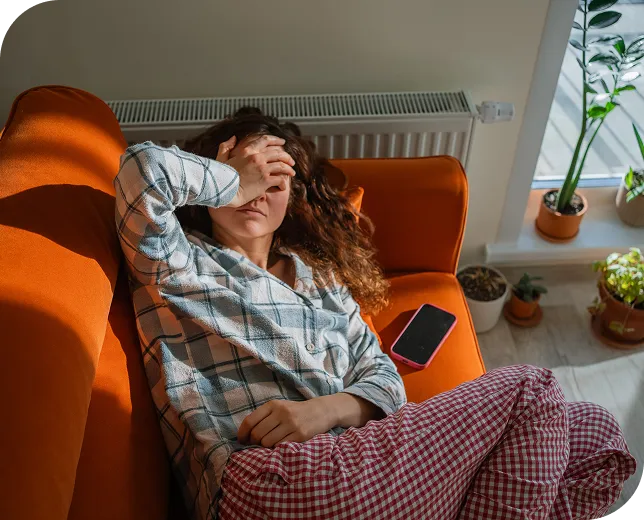
Women with heavy periods, including perimenopausal.
Women of childbearing age usually store less iron in their bodies than men, and they lose an additional amount due to monthly menstruation. Because menstruation can contribute to iron loss, some women may also feel tired or not like themselves.

Women who are athletes.
Athletes are at an increased risk of low iron levels due to the demands of intense training and exercise and may have higher iron requirements to support normal physiological function.
Adequate iron intake through diet and supplementation may help support normal physiological function in athletes.
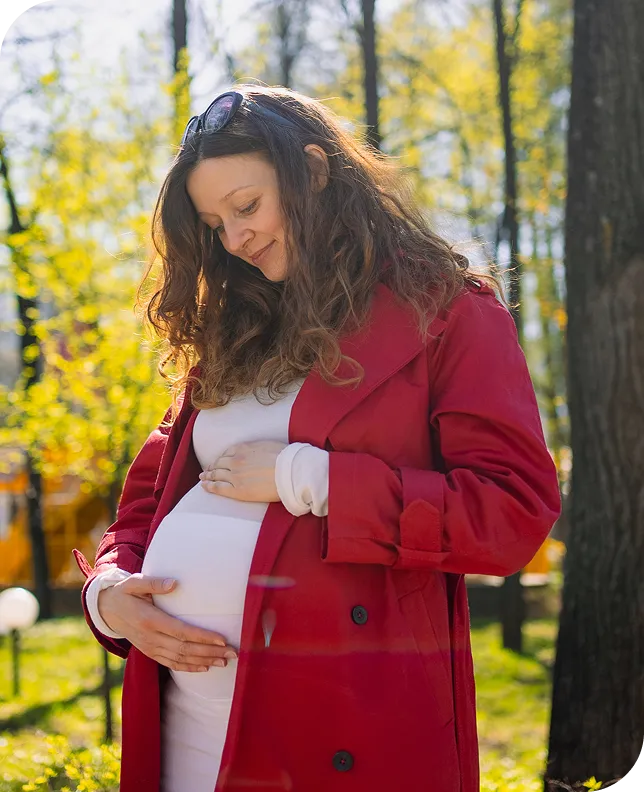
Pregnant women
Iron is a vital mineral that plays an important role in supporting a healthy pregnancy.
Many physiological changes occur during pregnancy to support the growing baby. For example, a pregnant woman’s blood volume can increase up to 30%, but hemoglobin production does not increase proportionally. This leads to a natural hemoglobin, meaning the blood becomes more diluted.
Inadequate iron levels during pregnancy are common. In 2023, nearly 17% of pregnant women aged 15-49 in high-income countries had anemia.6 Iron deficiency can have wide-ranging health implications for both the mother and baby.
Iron intake is particularly important during the last trimester of pregnancy, as this is when the growing baby begins to build their own iron stores in preparation for the first six months of life.
Timely iron support may help maintain healthy iron levels throughout pregnancy and may reduce complications later on. This is especially important for women who are at increased risk of developing inadequate iron levels.
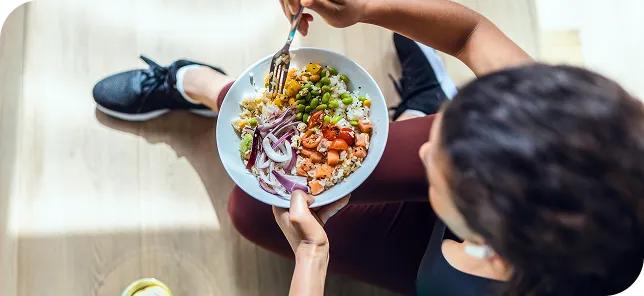
Those following iron-restricted diets
An important group with an increased iron need are those with restricted diets, such as vegetarians, who may struggle to get sufficient iron from food alone.
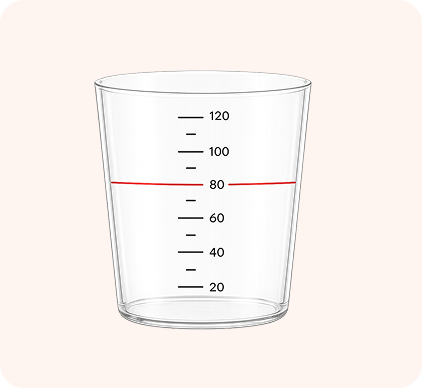
Key Signs to Look Out for in a Heavy Period:
-

Doubling up on period protection (e.g. pad and tampon at same time)
-

Bleeding for 7+ days
-

Often bleeding through clothes
-

Difficulty with daily activities due to flow
-

Needing to change sanitary products very frequently
-

Passing blood clots larger than a quarter
-

Menstrual Fatigue due to heavy blood loss
-
Recognizing the
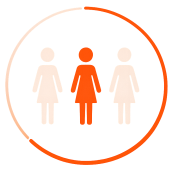
Signs of a Heavy Period1 in 3
Women experience heavier periods8

Take the
Period Quiz
Period Quiz 








Symptoms of Low Iron
At first, low iron levels can be mild and go unnoticed. However, as iron levels continue to decline and remain untreated, symptoms can worsen. According to the Mayo Clinic, the following symptoms are all tell-tale symptoms of low iron levels7:
-

Tiredness & fatigue
-

Weakness
-

Pale Skin
-

Chest pain, fast heartbeat, or shortness of breath
-

Headaches, dizziness, or feeling lightheaded
-

Cold hands & feet
-

Brittle nails
-

Irritated/sore tongue
-

Restless leg syndrome
-

Hairloss
-
Some uncommon symptoms of low iron levels include:
- Craving things that aren’t food, like ice, dirt, or clay
- Odd smell cravings, like rubber, detergents or cleaning agents
If you have concerns, please reach out to your healthcare provider.
Check Your
Iron Levels
Low Iron Quiz 


Heme Iron vs. Non-Heme Iron
The key difference between heme and non-heme iron lies in how efficiently your body absorbs them.
Heme iron is naturally absorbed more easily as it is carried in a protective structure. Non-heme iron, the form found in most supplements, must undergo several steps before it can be absorbed, and its uptake can be influenced by what you eat and drink.
Heme iron, which is found primarily in animal sources such as red meat, oysters, poultry, and fish, is absorbed much more efficiently than non-heme iron. In fact, heme iron typically has an absorption rate of 15–35%.8
 Red meat
 Oysters
 Poultry
 Fish
Non-heme iron is found in plant-based foods such as fortified cereals, grains, nuts, beans, bread, rice, and leafy greens. The body absorbs only about 2–20% of non-heme iron.8
The amount of iron your body absorbs depends on several factors, including the type of iron you take, how and when you take it, and the type of foods you eat. Consuming vitamin C-rich foods like oranges, bell peppers, lemons or taking vitamin C supplements can help improve iron absorption.
 Fortified
cereals Grains
 Nuts
 Beans
 Leafy
greens

Iron Supplement Safety and Side Effects
Traditional iron supplements may be associated with negative gastrointestinal symptoms, including upset stomach, stomach pain and constipation.
Iron can also interact with some medications, such as antacids and some antibiotics. It’s best to consult a healthcare professional about any potential interaction.
References:
- Health Canada. Multi-Vitamin/Mineral Supplements Monograph. Government of Canada. March 31, 2023. https://webprod.hc-sc.gc.ca/nhpid-bdipsn/atReq?atid=multi_vitmin_suppl&lang=eng#a54
- Vaucher P et al. Effect of iron supplementation on fatigue in nonanemic menstruating women with low ferritin: a randomized controlled trial. CMAJ. August 7, 2012. DOI:10.1503/cmaj.110950
- Obeaugu E. I. Iron homeostasis and health: understanding its role beyond blood health – a narrative review. Annals of Medicine & Surgery. May 21, 2025. http://dx.doi.org/10.1097/MS9.0000000000003100
- Piskin E et al. Iron Absorption: Factors, Limitations, and Improvement Methods. ACS Omega. June 10, 2022. https://doi.org/10.1021/acsomega.2c01833
- Women’s Health Concern. Heavy Periods. The patient arm of the British Menopause Society. Reviewed: March 2026. https://www.womens-health-concern.org/wp-content/uploads/2026/03/08-NEW-WHC-FACTSHEET-HeavyPeriods-MARCH2026-B.pdf
- World Health Organization. WHO global anaemia estimates Key findings, 2025. https://iris.who.int/server/api/core/bitstreams/ffbc07c6-420c-4711-8589-2a7b6f3a3da2/content
- Mayo Clinic. Iron deficiency anemia. Mayo Clinic. September 20, 2025. https://www.mayoclinic.org/diseases-conditions/iron-deficiency-anemia/symptoms-causes/syc-20355034
- Ems T, St Lucia K and Huecker M.R. Biochemistry, Iron Absorption. StatPearls. Last Update: April 17, 2023. https://www.ncbi.nlm.nih.gov/books/NBK448204/

